Strike 3 Holdings Massachusetts Subpoena Order: Restrictions in 1:26-cv-14871

On November 16, 2026, Judge Julia E. Kobick granted Strike 3 Holdings leave to serve a third-party subpoena on Comcast Cable in District of Massachusetts case 1:26-cv-14871 — a Strike 3 Holdings Massachusetts subpoena order that comes with restrictions. The order allows Comcast to disclose only the name and address of the subscriber assigned IP address 24.147.131.193, and it requires notice to that subscriber, a chance to move to quash (including anonymously), and limits on how the company may use any information it receives.
This page explains what the November 16 order actually does, how the restrictions work, and what to do if you receive a Comcast letter about this case. Information is current as of November 23, 2026. You can read our hosted copy of the Strike 3 Holdings Massachusetts subpoena order, 1:26-cv-14871 (ECF 9, Nov. 16, 2026).
Order update (November 16, 2026): Judge Kobick granted the early-discovery motion (ECF 7) in 1:26-cv-14871 with six numbered restrictions (ECF 9). The case remains pending. A grant with restrictions is not a judgment against the subscriber, and it is not a settlement.
What the November 16 Strike 3 Holdings Massachusetts subpoena order did
Strike 3 Holdings filed 1:26-cv-14871 on October 28, 2026, against a John Doe defendant identified only by IP address 24.147.131.193. The complaint alleges copyright infringement involving 24 works and names Comcast Cable as the internet provider that can identify the subscriber. On November 13, 2026, Strike 3 Holdings moved for leave to serve a third-party subpoena on Comcast before the Rule 26(f) conference (ECF 7). The company told the court the subpoena would seek only the subscriber’s true name and address.
Judge Kobick found good cause for that limited early discovery and granted the motion on November 16, 2026, in a six-page memorandum and order (ECF 9). The court accepted, for purposes of the motion, that Strike 3 Holdings had alleged ownership of the copyrighted works and copying through BitTorrent, that the request was limited to a name and address, that Strike 3 Holdings lacked another practical way to identify the subscriber, and that the information was needed for the case to move forward. The grant is not unlimited. The Strike 3 Holdings Massachusetts subpoena may go out, but only under the restrictions quoted in substance below.
The six restrictions in the November 16 order
The order does not give Strike 3 Holdings a free hand to collect subscriber information. It sets six conditions. We describe them here in plain language and without repeating the court’s day-count deadlines. The November 16, 2026 order (ECF 9) is the official source for the exact wording.
- Strike 3 Holdings may serve a Rule 45 subpoena on Comcast Cable requiring disclosure of only the name and address of the subscriber associated with IP address 24.147.131.193. The subpoena must include a copy of the November 16 order.
- After the subpoena is served, Comcast must serve the subscriber — by any reasonable means, including written notice to the subscriber’s last known address — with a copy of the subpoena and the order, before identifying information is produced.
- The subscriber then has a court-set period to file any motion to quash or contest the subpoena, including any request to litigate the subpoena anonymously. During that period, Comcast cannot produce the subpoenaed information to Strike 3 Holdings unless the court enters a further order.
- If that period ends without a motion to quash in this court, Comcast must then provide Strike 3 Holdings the information needed to comply with the subpoena.
- Comcast may also move to contest the subpoena. If it does, its filings must not disclose to Strike 3 Holdings any identifying information about the subscriber.
- Strike 3 Holdings may use information disclosed in response to the subpoena only to protect and enforce its rights as set forth in the complaint.
Those restrictions matter. A Strike 3 Holdings Massachusetts subpoena under this order is limited to a name and address, the subscriber is supposed to get notice and a chance to ask the court for relief before Comcast turns over that information, and the company may not use the data for other purposes.
The Massachusetts case at a glance
Here are the verified docket facts for this Strike 3 Holdings Massachusetts subpoena matter, as of November 23, 2026:
| Item | Detail |
|---|---|
| Case | 1:26-cv-14871, District of Massachusetts |
| Judge | Julia E. Kobick |
| Internet provider | Comcast Cable |
| IP address in the caption | 24.147.131.193 |
| Works alleged | 24 films, as described in the complaint and the November 16 order |
| Early-discovery motion | November 13, 2026 (ECF 7) |
| Order | November 16, 2026 (ECF 9) — granted with restrictions. Read the order. |
| Complaint and Exhibit A | Complaint (ECF 1) · Exhibit A (ECF 1-1) |
What this means if you may get a Comcast letter
If Comcast sends a letter about 1:26-cv-14871, that letter is often the first time a subscriber learns a Strike 3 Holdings Massachusetts subpoena is aimed at their account. The November 16 order is what authorizes Comcast to notify the subscriber and, after the court-set process, to disclose a name and address. It is not a finding that the subscriber infringed any copyright, and it is not a settlement.
Read the full case number and the date printed in the letter before you call anyone. Confirm that the letter actually refers to 1:26-cv-14871. If it lists a different docket number, start with our Comcast / Xfinity letter guide and our Massachusetts lawsuit trends page. You can also review our motion to quash guide if you are considering asking the court to limit or quash the subpoena. Every case is different; results depend on the specific factual and legal circumstances of that case.
Most people we talk with want a quiet, confidential path. Court appearances are rarely necessary, and we also defend cases in court when that is the better path. The fastest way to get a review is to send us the letter.
What you Can Learn
Our short videos explain some of the important things to know about the Strike 3 Holdings lawsuit process, and your main options right now.
Many clients have told us our videos are very helpful. Click the image below to watch.

Got a Comcast letter about a Strike 3 Holdings Massachusetts case?
If you received a letter about a Strike 3 Holdings Massachusetts case, including this Strike 3 Holdings Massachusetts subpoena matter in 1:26-cv-14871, most people we talk with want a quiet, anonymous resolution. Court appearances are rarely necessary, and we also defend cases in court when that is the better path. The fastest way to get started is to send us the letter.
If a Strike 3 Holdings letter does arrive, this short from Antonelli Law® covers what not to do and the three main options people usually consider:
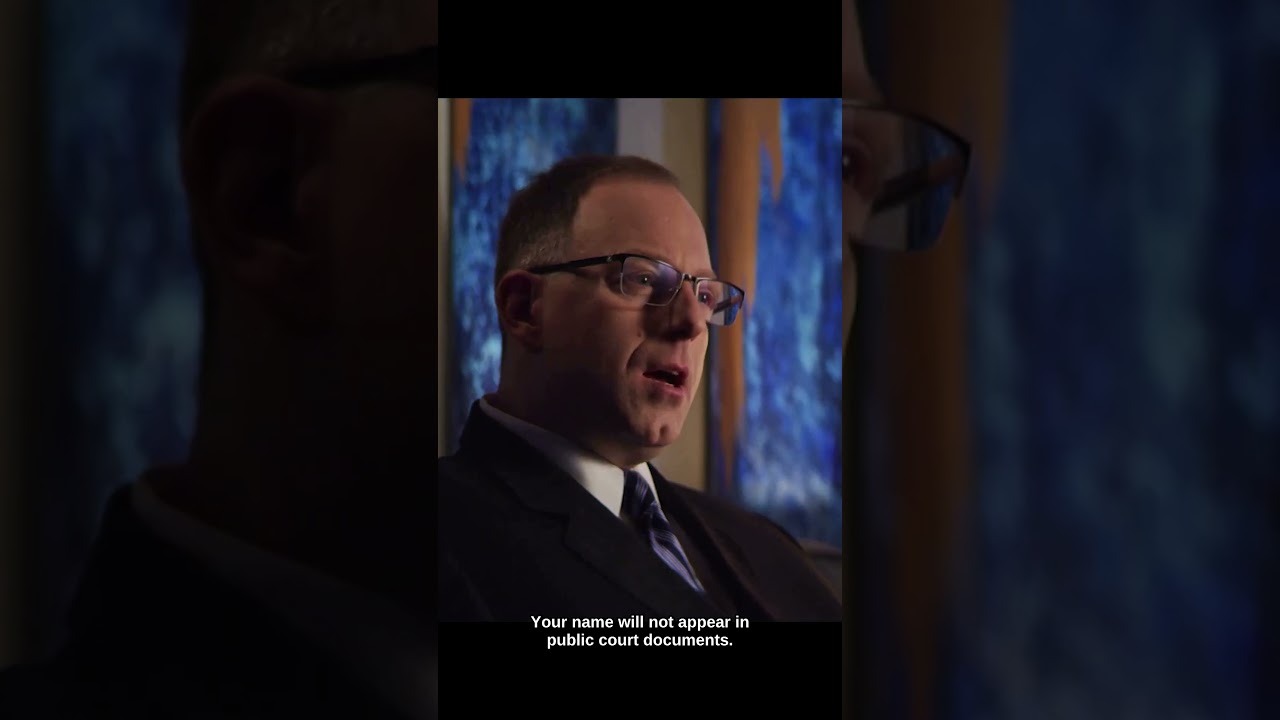
Got a Strike 3 Subpoena Letter? What Not to Do and Your 3 Options (YouTube Short by Antonelli Law®)
Got the letter? Upload a PDF or photo and an attorney will review it with you in a free, confidential consultation.
Upload your ISP letter (PDF or photo)Your information and documents will be treated confidentially. No attorney-client relationship is formed until you speak with an Antonelli Law® attorney, sign an attorney agreement, and pay the legal fee.
Prefer email? You can also email a PDF or photo of the letter from the contact page.
Most cases resolve out of court for a $3,000 flat legal fee. For work in most court cases after a person is served with a summons and complaint, our hourly fees are $350 to $550 per hour.
Attorney Highlight: Jeffrey Antonelli

Jeffrey Antonelli founded Antonelli Law® in Chicago in 2007 and still leads its BitTorrent Copyright Defense Group, along with its Drone/UAS Practice Group. He has spent nearly 25 years as a civil litigator in state and federal court, on both the plaintiff and defense side, for individuals and corporations alike. Earlier in his career he worked at several Chicago Loop litigation boutiques and a full-service firm, on software, data center contracts, business, insurance and consumer fraud disputes.
He belongs to the trial bar of the U.S. District Court for the Northern District of Illinois and is admitted in many other federal courts nationwide. Jeffrey studied philosophy at Loyola University Chicago, then earned his law degree, with a health law certificate, at DePaul. Outlets including The New York Times, NBC, Bloomberg BNA, the Chicago Tribune, Chicago Lawyer and the Chicago Daily Law Bulletin have interviewed him.
Phone: (312) 201-8310. Email: Jeffrey@Antonelli-Law.com.
Clients we have represented in Massachusetts
Antonelli Law® has represented over 65 clients who live in Massachusetts in federal copyright matters. We handle Strike 3 Holdings Massachusetts matters by phone, email, and secure upload through our contact page, so you do not need to travel to Boston, Cambridge, Worcester, or Springfield to talk with us.
Our Massachusetts clients have lived in Arlington, Billerica, Boston, Braintree, Brockton, Brookfield, Brookline, Burlington, Cambridge, Chicopee, Danvers, Devens, Dorchester, East Boston, Framingham, Georgetown, Holliston, Hudson, Lawrence, Lexington, Littleton, Lowell, Malden, Mansfield, Melrose, and Milton.
They have also lived in Needham, New Bedford, Newton, Newtonville, North Andover, North Chelmsford, North Weymouth, Peabody, Plymouth, Quincy, Rochester, Roslindale, Salem, Saugus, Sharon, Somerset, Somerville, Stoughton, Sudbury, Vineyard Haven, Wakefield, Waltham, Wayland, West Newton, Westwood, Whitman, Winthrop, and Woburn.
Frequently asked questions: Strike 3 Holdings Massachusetts subpoena
Do I need a Massachusetts lawyer for a Strike 3 Holdings case?
No. Strike 3 Holdings Massachusetts cases are federal copyright cases. Antonelli Law® handles Strike 3 Holdings matters in federal courts nationwide, and you can work with us by phone, email, and upload. Court appearances are rarely necessary, and we also defend clients in court when that is needed.
What did the November 16, 2026 Strike 3 Holdings Massachusetts subpoena order do?
Judge Julia E. Kobick granted Strike 3 Holdings leave to serve a third-party subpoena on Comcast Cable in 1:26-cv-14871 (ECF 9), with six restrictions. The subpoena may seek only the name and address of the subscriber assigned IP address 24.147.131.193. Comcast must notify the subscriber and hold the identifying information during a court-set period in which the subscriber may move to quash, including anonymously. Strike 3 Holdings may use any information it receives only to protect and enforce its rights as set forth in the complaint.
Does this order mean Comcast will immediately identify the subscriber?
No. The November 16 grant is not immediate, unlimited disclosure. The order requires Comcast to notify the subscriber, gives the subscriber a period to move to quash or to ask to proceed anonymously, and bars Comcast from producing the information during that period unless the court enters a further order. The case itself is not over, and the order is not a settlement or a finding of infringement.
I have a Comcast letter about a Strike 3 Holdings Massachusetts case. What should I do first?
Read the full case number and the date printed in the letter before you call anyone. If the letter lists 1:26-cv-14871, this November 16 order is the ruling that authorizes the Comcast subpoena process in that case. If it lists a different docket number, start with our Comcast / Xfinity letter guide. You can also upload a PDF or photo of the letter and schedule a free, confidential consultation.


5 Things To Know About Your Strike 3 Holdings LLC Subpoena

Strike 3 Holdings LLC: Updates from New York

How to Settle With Malibu Media
About Author

JAntonelli
Jeffrey Antonelli is a member of the federal trial bar and the general bar of the Northern District of Illinois. He is also admitted to the Central District of Illinois, the Western District of New York, and all federal courts in Colorado, Wisconsin, Michigan and Indiana. Federal courts let attorneys appear in a specific case outside their home courts through a process called pro hac vice. Even the U.S. Supreme Court allows it, under its Rule 6. That means Antonelli Law can help people anywhere in the United States, as long as the case is in federal court. Jeffrey has been admitted pro hac vice in cases in the District of Arizona, the District of Maryland, the District of New Jersey, the Eastern and Western Districts of Missouri, the Southern District of New York, the Eastern District of Pennsylvania, the Eastern District of Virginia, the Northern and Southern Districts of Ohio, the Southern District of Texas, and the Western District of Washington. He has been a civil litigator nearly 25 years in a broad range of actions representing corporations and individuals as plaintiffs and defendants in state and federal court. Jeffrey has been interviewed by the media many times, including Bloomberg BNA, NBC, The New York Times, Chicago Lawyer, Chicago Tribune, and the longstanding lawyer’s publication Chicago Daily Law Bulletin. Prior to forming Antonelli Law Ltd. in 2007 Jeffrey worked for several litigation boutiques in Chicago’s Loop as well as a full service firm. His litigation experience includes hotly contested issues in intellectual property, business, insurance, and consumer fraud. He is an adviser to the Illinois Board of Higher Education Advisory Council for Private Business and Vocational Schools (PBVS), and was a member of the Illinois State Bar Association Education Law Section Council from 2012-2013. Jeffrey is especially proud of his work representing hundreds of students defrauded by improperly accredited educational institutions, including as certified class counsel. Before attending law school, Jeffrey was interested first in business, and then in biomedical ethics. These interests led him to graduate from the nation’s largest philosophy department at Loyola University in Chicago, where some of his favorite (and most challenging) subjects were cognitive science and philosophy of science. During college he held positions at the University of Chicago’s Ben May Institute; as a medical assistant for a University of Chicago foot and ankle surgeon; and volunteered in the emergency room at the University of Chicago Hospitals. These experiences led to studying health law at the DePaul College of Law where Jeffrey earned his law degree and a certificate in health law. At that time DePaul’s Institute for Health Law was consistently ranked in the top 10 health law specialty programs nationwide. During law school Jeffrey immersed himself in studying the practical and public policy aspects of health care through internships at the American Medical Association in Chicago, and on Capitol Hill at the Governmental Relations Office of the Association of American Medical Colleges in Washington, DC. Jeffrey has concentrated in civil litigation throughout his legal career. In addition, he is a member of the DuPage County Bar Association and the Illinois State Bar Association. Jeffrey prides himself on his strong personal ideals, passionate, ethical advocacy, and working hard to bring the best possible results for his clients. He also maintains a special interest in cases involving fraud. Whether due to good parenting, his family’s law enforcement employment, undergraduate studies in philosophy including ethics, or a fortuitous outcome of good breeding, one essence of Jeffrey’s character is a drive to root out the truth behind fraudulent practices.